
Dates
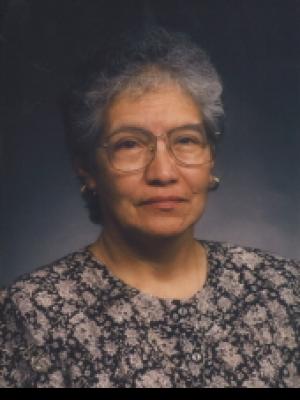
On August 20, 2014 Heaven gained an angel with both a voice and a heart of gold.
Funeral services will be 11:00 am Tuesday August 26, 2014 at Sierra Vista Methodist Church with Rev. Steven Sweet, officiating. Burial will follow at Lawnhaven Memorial Gardens under the direction of Robert Massie Funeral Home.
Rita Diane Cline was born August 7, 1958 to Richard “Dick” and Dorotha Cline in Midland, Texas. The fifth of seven children in a hard-working family, Rita learned early the importance of finding her place to shine and serve.
Rita’s place to shine was in front of a church, singing. Many churches have been blessed by the beauty of her voice and the strength and confidence with which she lifted her praises
.
After attending high school in Dumas, Texas and Ankeny, Iowa, Rita earned a degree in nursing from New Mexico Junior College and became a Registered Nurse. To Rita, nursing was never a profession - it was a calling. She had a gift for working with the elderly. Her fun spirit and genuine heart helped patients and their families know that they were in good hands. Rita did not quit caring when her shift was over. She spent many of her off hours and holidays singing at the nursing homes and hospitals where she worked and many of her Hospice patients were soothed by her voice as she provided their daily care or sat with them just a little longer. Rita served as a telemetry nurse, ICU nurse, director of nursing, nursing home director, state inspector of nursing homes, and hospice director during her 30 year career as an RN.
In 1984, Rita became the proud mom of twins, James Aaron and Amber Marie Wade. They quickly became the center of her world. As a single mother, Rita was determined to provide her children with every advantage that she could, encouraging them to participate in scouts, sports, music, and other programs in the community even if it meant working multiple jobs to afford the experiences. She also made sure that they knew they were loved by being a constant presence in their lives. Whether yelling silly nicknames to her son while he competed in swim meets or singing along from the audience at her daughter’s choir concerts, leading scout meetings, or chaperoning youth trips, she made sure that they knew their mother’s love would never falter. Her pride continued past their school days and any conversation with Rita always included the phrase “my son, the medic” or “my beautiful daughter.” She was truly not just Mom, she was their biggest fan.
In 1999, Rita was diagnosed with Multiple Sclerosis. As a nurse, she knew what the disease was capable of and was determined to fight it with everything she had. The disease took many things away from her, including her ability to sing the hymns she loved and to work as a nurse. When these roles were taken from her, Rita became a voice in the push for MS research. She advocated for other MS patients and used her knowledge of the medical field to encourage and help others struggling with the disease. She was chosen as a representative to lobby the Texas Legislature to show the impact MS can have on a person and to lobby for insurance and disability improvements for those with MS.
Rita was preceded in death by her parents, Richard D. and Dorotha M. Cline and her brother, Richard A. Cline
Rita is survived by her children: Sergeant James Aaron Wade, US Army and Amber Wade Shedd and husband Dan of Houston. Brothers: Mike and Cindy Cline of Springfield, Mo, Ken and Angie Cline of Llano, TX, and Ron Cline of Paint Rock. Sisters: Teresa and Lyle Pfannenstiel of Udall, KS and Dedee Cline of San Angelo. Rita also leaves behind seventeen nieces and nephews and nineteen great nieces and nephews who she adored.
The family asks that any memorials be made to the National Multiple Sclerosis Society in Rita’s name. Information on how to donate can be located at www.nationalmssociety/donate .
To send flowers or a remembrance gift to the family of Rita Diane Cline please visit our Tribute Store.