

SAN ANGELO, TX – This month, Air Traffic Operations students at Angelo State University (ASU) will begin training in a newly established simulator lab, developed with UFA, a leading provider of aviation safety solutions.
According to a release from UFA, the new lab, which was designed to prepare students for Federal Aviation Administration (FAA) certification, places ASU among an elite group of schools that provide this training.
ASU’s Air Traffic Operations program earned ASU designation as an Air Traffic Collegiate Training Initiative (AT-CTI) institution by the FAA in July 2025, a first for a university in Texas. This allows ASU graduates to bypass five weeks of training at the FAA Academy. The program and lab are expected to help fill the critical shortage of air traffic controllers in the U.S.
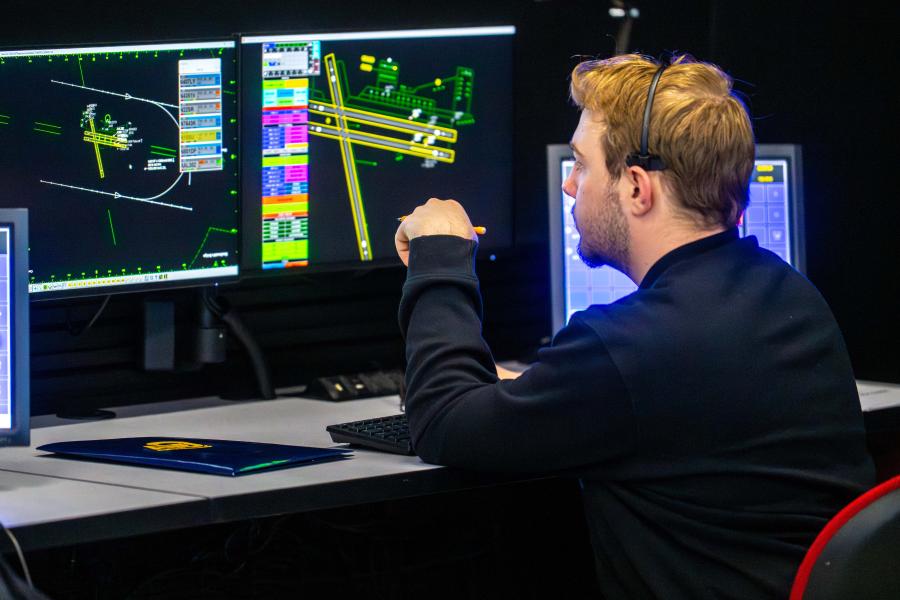
Angelo State Air Traffic
“This program has made a good environment to learn about ATC, especially our simulators. They make learning a hands-on experience which helps you learn faster and better,” said Justin, an ASU student.
According to a new report from the Government Accountability Office, the shortage of controllers is partly driven by a lack of access to simulators. The report notes that the lack of access delays training and may contribute to dramatically high “washout rates.”
“UFA’s simulators have been a game changer for our students from the very first day of class. The progressive simulators, using ATSpeak, ATLive and ATTower, allow the students to quickly develop the phraseology that is critical to air traffic operations. Within two to three weeks, students are already demonstrating the skills necessary to start basic realistic ATC scenarios using the ATTower simulator,” said Mark Arzate, lead instructor of ASU’s Air Traffic Operations Program.
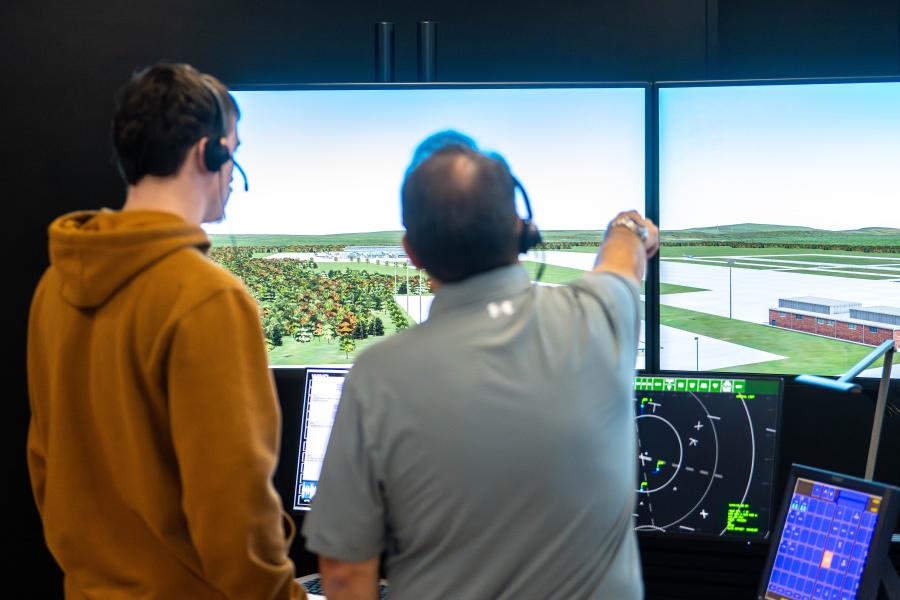
Angelo State Air Traffic
ASU's lab features an air traffic control tower simulator with a 240-degree field of view of a hyper-realistic airport digital twin, along with voice recognition and response to help students to practice air traffic control communication.
“Something that has excited me about the air traffic program is how we learn in the class and lab, and eventually we can get to put it in real life. The ATC simulators are a safe and great way to experience what air traffic control is really like. It's versatile, with many scenarios. Overall, the ATC program is definitely advancing, and I hope to see more people enroll in the future,” said Chaz, an ASU student.
The new lab also includes a digital tabletop, where individual students or groups can see and manipulate air traffic scenarios. It also serves as a digital blackboard, enabling instructors to replay exercises for in-depth analysis.
"We couldn't be happier to see how the new software is being used," commented David Wolff, CEO of UFA, Inc. "Angelo State is stepping forward as one of the leading air traffic control programs in the country. That means more qualified controllers and safer air travel for everyone."
The first cohort of ASU students from the program is set to graduate in December 2028.
“This isn't just a college degree or just a job once I'm done here, it's the ability to confidently and safely get people back on the ground safe and sound,” said Chasten, an ASU student. “The ATO program has prepared me with simulated time, real-life scenarios, and guidance on how to handle certain situations to maintain safe separation. That is what excites me, and it's how I've been prepared for the ATC Job through the ATO program.”

Subscribe to the LIVE! Daily
Required
Post a comment to this article here: